Buy modrany.eu ?
We are moving the project
modrany.eu .
Are you interested in purchasing the domain
modrany.eu ?
domain@kv-gmbh.de · 0541-91531010
Buy modrany.eu ?
Why was Bismarck dismissed?
Bismarck was dismissed by Kaiser Wilhelm II in 1890 because of a growing power struggle between the two. The Kaiser wanted to assert his own authority and pursue a more aggressive foreign policy, which clashed with Bismarck's more cautious and diplomatic approach. Additionally, Bismarck's dismissal was also influenced by his failure to effectively address the growing social and political challenges within Germany, leading the Kaiser to believe that a change in leadership was necessary. **
Who was Otto von Bismarck?
Otto von Bismarck was a prominent Prussian statesman who became the first Chancellor of the German Empire. He is known for his role in unifying the various German states into a single nation in 1871. Bismarck was a skilled diplomat and politician who used a combination of military force and strategic alliances to achieve his goal of German unification. He is often credited with shaping the modern state of Germany and laying the foundation for its future power and influence in Europe. **


Similar search terms for Bismarck
Top-Angebote
Products related to Bismarck:
-
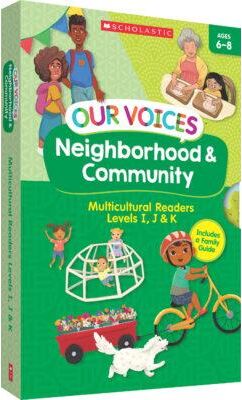
Our Voices: Neighborhood & Community Boxed SetFoster a feeling of belonging while building key reading skills with these colorful storybooks that spotlight a variety of neighborhoods and communities. The 10 charming stories feature characters from different cultural backgrounds who learn about...30,59 $*Shipping: 0,00 $Secure redirect to the provider
-
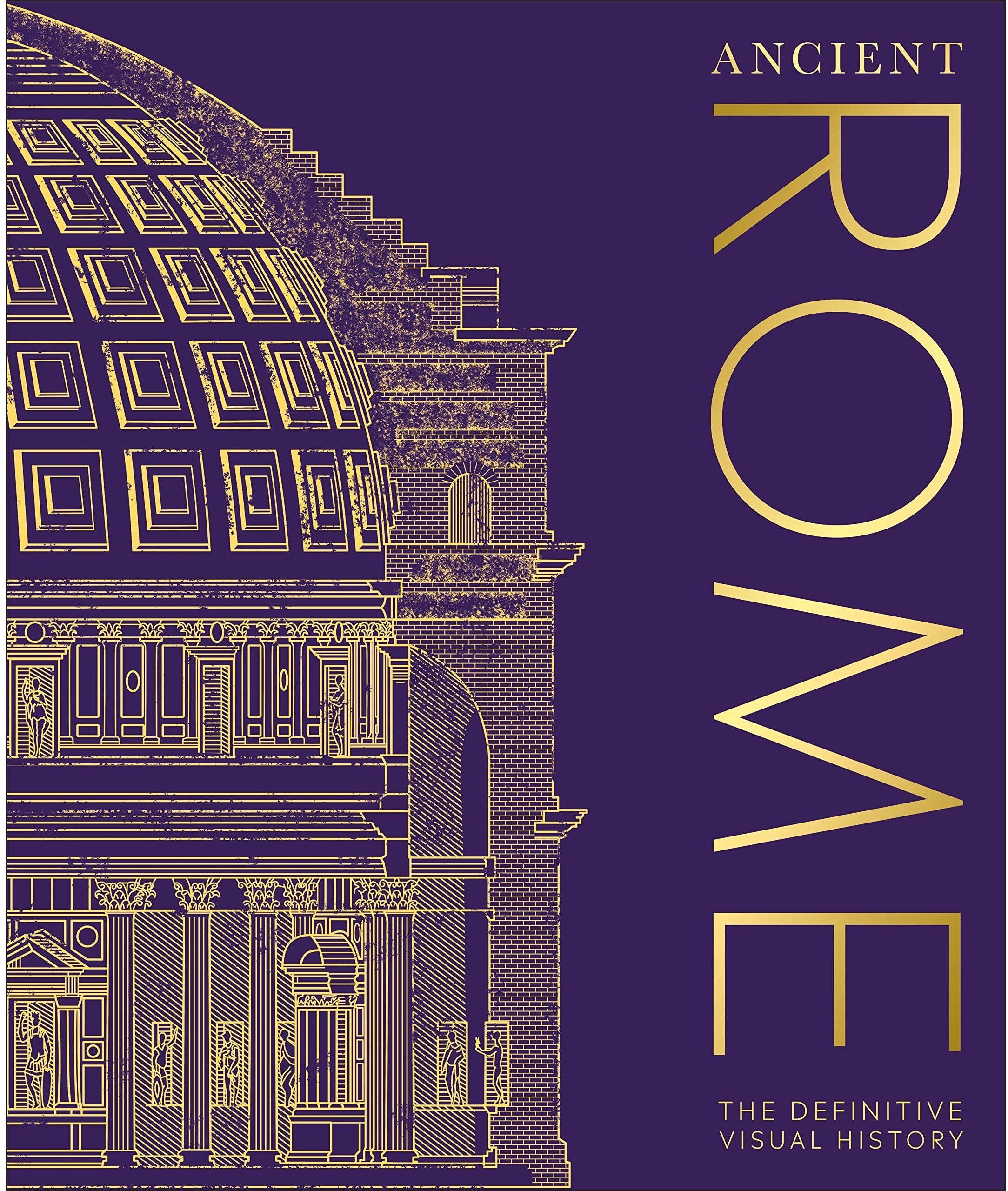
Ancient Rome: The Definitive Visual History (DK Classic History)Immerse yourself in the history of ancient Rome - from its origins as a small settlement on the Palatine Hill to its peak as an empire reigning over 90 million people, and its tumultuous decline. Covering more than 1,000 years of history, and an empire that stretched from Scotland to Syria, Ancient Rome reveals in vivid detail all of the key political, cultural, and military events that shaped the Roman Empire and explores what it was like to live in a society that laid the foundations for many aspects of the modern world. Sumptuous photography and engaging text cover every facet of life in ancient Rome, from art, entertainment, and fashion to engineering, medicine, and war, while detailed maps trace the rise of the mighty Roman Empire. Step back in time in the pages of this history book to discover:- Themed spreads explore developments in areas such as sculpture, religion, warfare, and engineering. - Includes tales of the most dramatic events and battles in Roman history, as well as profiles of influential historical and cultural figures. - An optional 80pp reference section includes sections on rulers, gods and goddesses, and key sites. Featuring Rome's greatest emperors, from Augustus to Constantine, as well as profiles of generals, historians, and influential women, Ancient Rome also delves into the fascinating stories of gladiators, bakers, and enslaved people. The most iconic buildings of Rome are brought to life with specially commissioned CGI recreations, while the stories of ordinary citizens, soldiers, and persecuted groups from across the empire are told with the help of illustrations, artefacts, and eyewitness accounts. Beautifully illustrated and unparalleled in scope, Ancient Rome is the perfect book for anyone who is interested in this defining period of world history.19,95 £*Shipping: 2,99 £Secure redirect to the provider
-
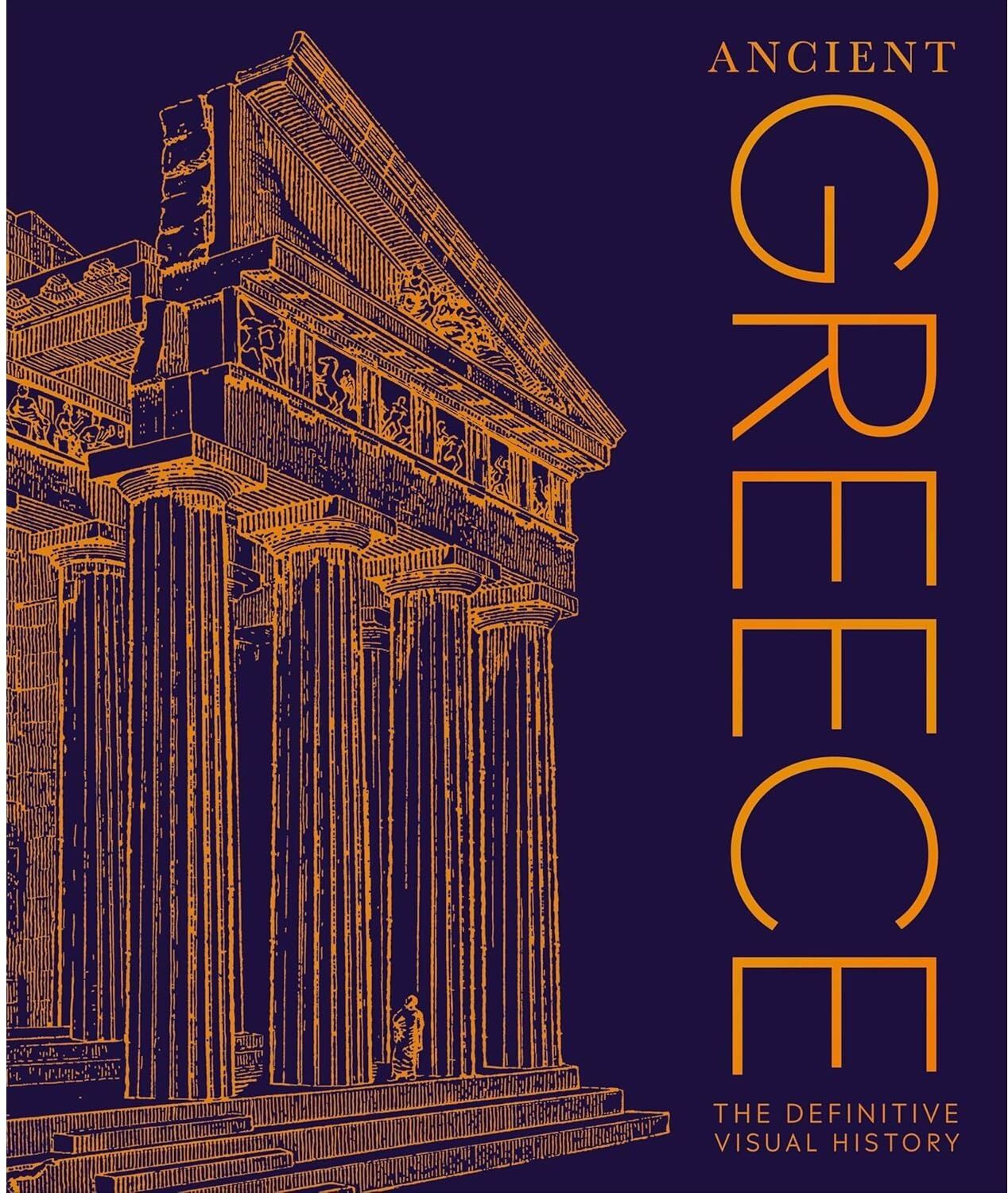
Ancient Greece: The Definitive Visual History (DK Classic History)Embark upon a fascinating journey through ancient Greece – from its rise and fall to its lasting legacy throughout the Western world. Spanning more than 3,000 years, Ancient Greece explores the tumultuous history of this glorious empire in vivid detail – from its Minoan and Mycenaean origins to the apogee of the warring city-states of Athens and Sparta, and from the death of its most charismatic leader, Alexander the Great, to its ultimate defeat by Rome. Sumptuous photography and authoritative, engaging text cover every facet of life in ancient Greece, from art, entertainment, and schools of thought to politics, medicine, and war, while the myths and religious beliefs of the ancient culture are explored and explained in depth. Greece’s military and political power shines through in fascinating maps of its legendary battles. Buried palaces and the Athenian Agora where Plato and Socrates discussed philosophy are brought back to life with stunning CGI artworks. And the stories of everyone from ordinary citizens to lawmakers and the first Olympic athletes are retold through eyewitness accounts and original artefacts.19,99 £*Shipping: 2,99 £Secure redirect to the provider
-
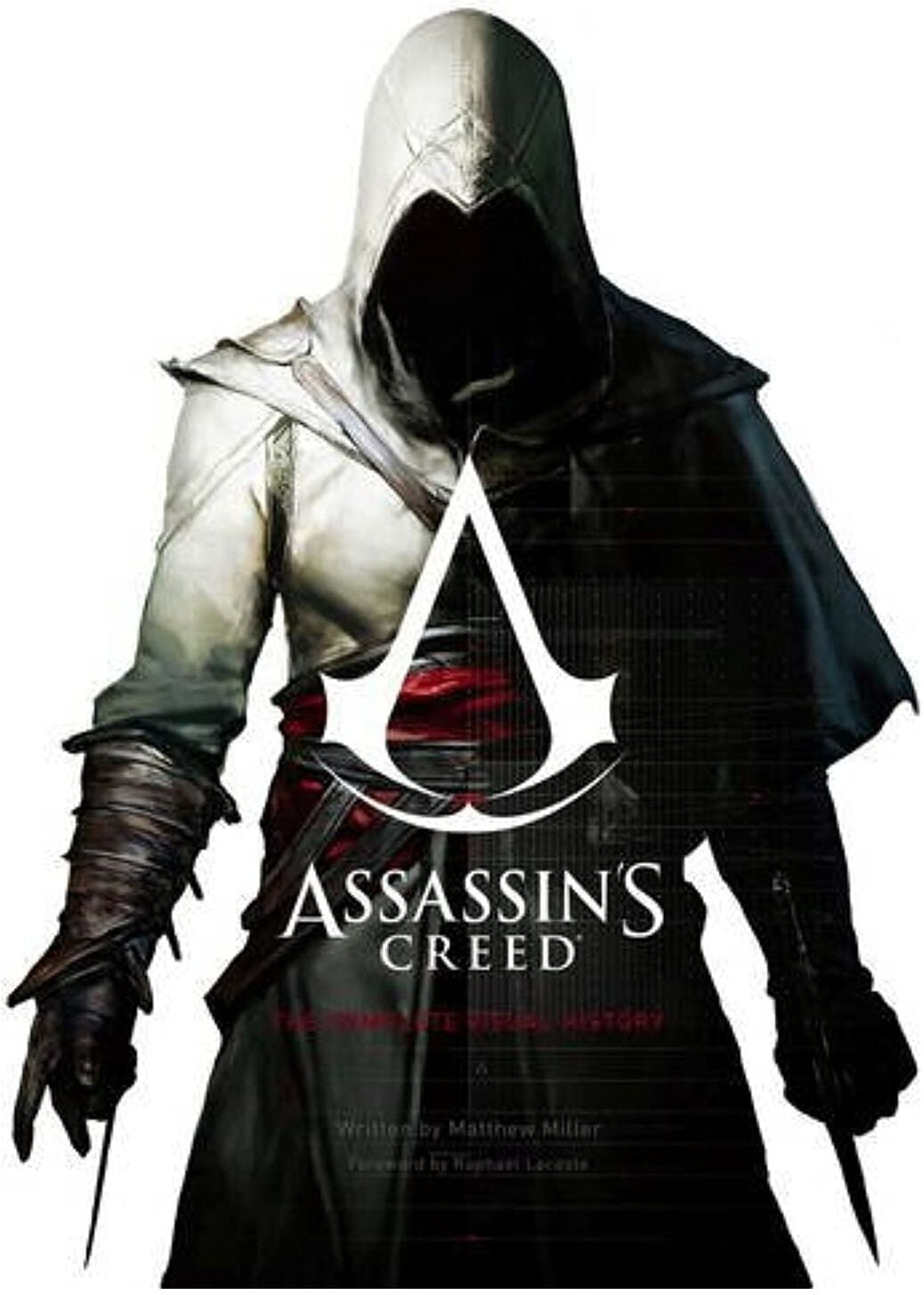
Titan Assassins Creed - The Complete Visual History: The Definitive Visual HistoryThis stunning book explores the rich mythology of Assassins Creed®, featuring the art and history of the series from the first groundbreaking game through the graphic novels to the DLCs. Highlighting the lush and vibrant art that has become a hallmark of the series, this luxury coffee-table book brings the games famous historical locations and figures to life and explores the evolution of each iconic Assassin and Templar.15,99 £*Shipping: 2,99 £Secure redirect to the provider
-
What did Bismarck mean exactly?
Bismarck's statement "Politics is the art of the possible" means that in the realm of politics, decisions and actions should be based on realistic and achievable goals rather than idealistic or theoretical principles. He believed that successful political leaders must be pragmatic and willing to compromise in order to achieve their objectives. By emphasizing the importance of practicality and flexibility in politics, Bismarck highlighted the need for leaders to navigate complex and ever-changing political landscapes effectively. **
-
Why was Bismarck against colonies?
Bismarck was against colonies because he believed that they would distract Germany from its main goal of unifying and strengthening its own territory. He also feared that colonies would lead to costly overseas conflicts and divert resources away from domestic development. Additionally, Bismarck was concerned that colonies would create tensions with other European powers and potentially lead to conflicts that could threaten Germany's security. Therefore, he focused on building up Germany's power within Europe rather than seeking overseas colonies. **
-
Was Bismarck a good chancellor?
Bismarck was a highly effective chancellor who played a crucial role in the unification of Germany and the establishment of the German Empire. He implemented a series of domestic and foreign policies that strengthened the country's economy, military, and international standing. However, his authoritarian methods and aggressive diplomacy also led to increased tensions and conflicts within Europe. Ultimately, whether Bismarck was a "good" chancellor depends on one's perspective and the specific aspects of his leadership that are being considered. **
-
Was Bismarck good or evil?
Bismarck's legacy is complex and can be viewed from different perspectives. From a German nationalist viewpoint, he is often seen as a hero who unified the German states and established the German Empire. However, from the perspective of other European nations, particularly those that were affected by his policies of realpolitik and militarism, he is often viewed as a figure who pursued power and expansion at the expense of others. Ultimately, whether Bismarck was good or evil depends on one's perspective and the historical context in which his actions are being judged. **


Why aren't streets named after Bismarck?
Streets are not typically named after Bismarck because he was a controversial figure in history. Bismarck was known for his role in the unification of Germany through a series of wars and his authoritarian governing style. Due to his divisive legacy, many cities may choose not to honor him by naming streets after him. Additionally, cities often prioritize naming streets after local figures or events that hold more significance to the community. **
Was Otto von Bismarck a Nazi?
No, Otto von Bismarck was not a Nazi. Bismarck was a prominent German statesman in the 19th century who played a key role in the unification of Germany. The Nazi party, led by Adolf Hitler, did not come into existence until several decades after Bismarck's death. While Bismarck's policies and actions have been subject to criticism, particularly in regards to his authoritarian methods, he cannot be equated with the Nazi ideology or regime. **
Top-Angebote
Products related to Bismarck:
-
Fairmont Park Bismarck Glass Table Vase Grey 32cm H x 15cm W x 15cm DThe Cleo large grey and gold vase exudes elegance and modernity. The grey glass is paired with a brass base, creating a luxurious appeal. Fairmont Park Colour: Grey, Size: 32cm H x 15cm W x 15cm D49,99 £*Shipping: 4,99 £Secure redirect to the provider
-
Fairmont Park Bismarck Glass Table Vase Grey/Gold 26cm H x 18cm W x 18cm DThe Cleo large grey and gold vase exudes elegance and modernity. The grey glass is paired with a brass base, creating a luxurious appeal. Fairmont Park Colour: Grey/Gold, Size: 26cm H x 18cm W x 18cm D53,99 £*Shipping: 4,99 £Secure redirect to the provider
-
Our Voices: Neighborhood & Community Boxed SetFoster a feeling of belonging while building key reading skills with these colorful storybooks that spotlight a variety of neighborhoods and communities. The 10 charming stories feature characters from different cultural backgrounds who learn about...30,59 $*Shipping: 0,00 $Secure redirect to the provider
-
Ancient Rome: The Definitive Visual History (DK Classic History)Immerse yourself in the history of ancient Rome - from its origins as a small settlement on the Palatine Hill to its peak as an empire reigning over 90 million people, and its tumultuous decline. Covering more than 1,000 years of history, and an empire that stretched from Scotland to Syria, Ancient Rome reveals in vivid detail all of the key political, cultural, and military events that shaped the Roman Empire and explores what it was like to live in a society that laid the foundations for many aspects of the modern world. Sumptuous photography and engaging text cover every facet of life in ancient Rome, from art, entertainment, and fashion to engineering, medicine, and war, while detailed maps trace the rise of the mighty Roman Empire. Step back in time in the pages of this history book to discover:- Themed spreads explore developments in areas such as sculpture, religion, warfare, and engineering. - Includes tales of the most dramatic events and battles in Roman history, as well as profiles of influential historical and cultural figures. - An optional 80pp reference section includes sections on rulers, gods and goddesses, and key sites. Featuring Rome's greatest emperors, from Augustus to Constantine, as well as profiles of generals, historians, and influential women, Ancient Rome also delves into the fascinating stories of gladiators, bakers, and enslaved people. The most iconic buildings of Rome are brought to life with specially commissioned CGI recreations, while the stories of ordinary citizens, soldiers, and persecuted groups from across the empire are told with the help of illustrations, artefacts, and eyewitness accounts. Beautifully illustrated and unparalleled in scope, Ancient Rome is the perfect book for anyone who is interested in this defining period of world history.19,95 £*Shipping: 2,99 £Secure redirect to the provider
-
Why was Bismarck dismissed?
Bismarck was dismissed by Kaiser Wilhelm II in 1890 because of a growing power struggle between the two. The Kaiser wanted to assert his own authority and pursue a more aggressive foreign policy, which clashed with Bismarck's more cautious and diplomatic approach. Additionally, Bismarck's dismissal was also influenced by his failure to effectively address the growing social and political challenges within Germany, leading the Kaiser to believe that a change in leadership was necessary. **
-
Who was Otto von Bismarck?
Otto von Bismarck was a prominent Prussian statesman who became the first Chancellor of the German Empire. He is known for his role in unifying the various German states into a single nation in 1871. Bismarck was a skilled diplomat and politician who used a combination of military force and strategic alliances to achieve his goal of German unification. He is often credited with shaping the modern state of Germany and laying the foundation for its future power and influence in Europe. **
-
What did Bismarck mean exactly?
Bismarck's statement "Politics is the art of the possible" means that in the realm of politics, decisions and actions should be based on realistic and achievable goals rather than idealistic or theoretical principles. He believed that successful political leaders must be pragmatic and willing to compromise in order to achieve their objectives. By emphasizing the importance of practicality and flexibility in politics, Bismarck highlighted the need for leaders to navigate complex and ever-changing political landscapes effectively. **
-
Why was Bismarck against colonies?
Bismarck was against colonies because he believed that they would distract Germany from its main goal of unifying and strengthening its own territory. He also feared that colonies would lead to costly overseas conflicts and divert resources away from domestic development. Additionally, Bismarck was concerned that colonies would create tensions with other European powers and potentially lead to conflicts that could threaten Germany's security. Therefore, he focused on building up Germany's power within Europe rather than seeking overseas colonies. **
Similar search terms for Bismarck
-
Ancient Greece: The Definitive Visual History (DK Classic History)Embark upon a fascinating journey through ancient Greece – from its rise and fall to its lasting legacy throughout the Western world. Spanning more than 3,000 years, Ancient Greece explores the tumultuous history of this glorious empire in vivid detail – from its Minoan and Mycenaean origins to the apogee of the warring city-states of Athens and Sparta, and from the death of its most charismatic leader, Alexander the Great, to its ultimate defeat by Rome. Sumptuous photography and authoritative, engaging text cover every facet of life in ancient Greece, from art, entertainment, and schools of thought to politics, medicine, and war, while the myths and religious beliefs of the ancient culture are explored and explained in depth. Greece’s military and political power shines through in fascinating maps of its legendary battles. Buried palaces and the Athenian Agora where Plato and Socrates discussed philosophy are brought back to life with stunning CGI artworks. And the stories of everyone from ordinary citizens to lawmakers and the first Olympic athletes are retold through eyewitness accounts and original artefacts.19,99 £*Shipping: 2,99 £Secure redirect to the provider
-
Titan Assassins Creed - The Complete Visual History: The Definitive Visual HistoryThis stunning book explores the rich mythology of Assassins Creed®, featuring the art and history of the series from the first groundbreaking game through the graphic novels to the DLCs. Highlighting the lush and vibrant art that has become a hallmark of the series, this luxury coffee-table book brings the games famous historical locations and figures to life and explores the evolution of each iconic Assassin and Templar.15,99 £*Shipping: 2,99 £Secure redirect to the provider
-
Jeffree Star Cosmetics Velour Liquid Lipstick liquid lipstick shade Gated Community 5.6 mlJeffree Star Cosmetics Velour Liquid Lipstick, 5.6 ml, Lipsticks for Women, Beautifully accentuated lips never go out of style. The Jeffree Star Cosmetics Velour Liquid Lipstick lipstick envelops the surface of your lips in a continuous layer of irresistible and rich colour, accentuating any makeup look perfectly, whether you’re heading to work, a meeting or a party. It allows you to emphasise your lips while also giving them the shape you want or a fuller look. In just a moment, it will give your lips a gorgeous colour and perfect shape, making them the centre of attention and irresistibly kissable. Characteristics: matte effect long-lasting washes out easily Ingredients: vegan product How to use: Apply lipstick to lips from the centre to the corners using gentle strokes.13,30 £*Shipping: 3,99 £Secure redirect to the provider
-
Uplifted Goods Optical Precision Pet Claw Architecture Optical Precision Pet Claw ArchitectureEnhance your pet grooming safety with the Optical Precision Pet Claw Architecture. This professional grade grooming solution is engineered with a specialized LED Illumination System designed to provide a definitive view of the delicate internal vein...39,97 $*Shipping: 0,00 $Secure redirect to the provider
-
Was Bismarck a good chancellor?
Bismarck was a highly effective chancellor who played a crucial role in the unification of Germany and the establishment of the German Empire. He implemented a series of domestic and foreign policies that strengthened the country's economy, military, and international standing. However, his authoritarian methods and aggressive diplomacy also led to increased tensions and conflicts within Europe. Ultimately, whether Bismarck was a "good" chancellor depends on one's perspective and the specific aspects of his leadership that are being considered. **
-
Was Bismarck good or evil?
Bismarck's legacy is complex and can be viewed from different perspectives. From a German nationalist viewpoint, he is often seen as a hero who unified the German states and established the German Empire. However, from the perspective of other European nations, particularly those that were affected by his policies of realpolitik and militarism, he is often viewed as a figure who pursued power and expansion at the expense of others. Ultimately, whether Bismarck was good or evil depends on one's perspective and the historical context in which his actions are being judged. **
-
Why aren't streets named after Bismarck?
Streets are not typically named after Bismarck because he was a controversial figure in history. Bismarck was known for his role in the unification of Germany through a series of wars and his authoritarian governing style. Due to his divisive legacy, many cities may choose not to honor him by naming streets after him. Additionally, cities often prioritize naming streets after local figures or events that hold more significance to the community. **
-
Was Otto von Bismarck a Nazi?
No, Otto von Bismarck was not a Nazi. Bismarck was a prominent German statesman in the 19th century who played a key role in the unification of Germany. The Nazi party, led by Adolf Hitler, did not come into existence until several decades after Bismarck's death. While Bismarck's policies and actions have been subject to criticism, particularly in regards to his authoritarian methods, he cannot be equated with the Nazi ideology or regime. **
* All prices are inclusive of VAT and, if applicable, plus shipping costs. The offer information is based on the details provided by the respective shop and is updated through automated processes. Real-time updates do not occur, so deviations can occur in individual cases. ** Note: Parts of this content were created by AI.